
News
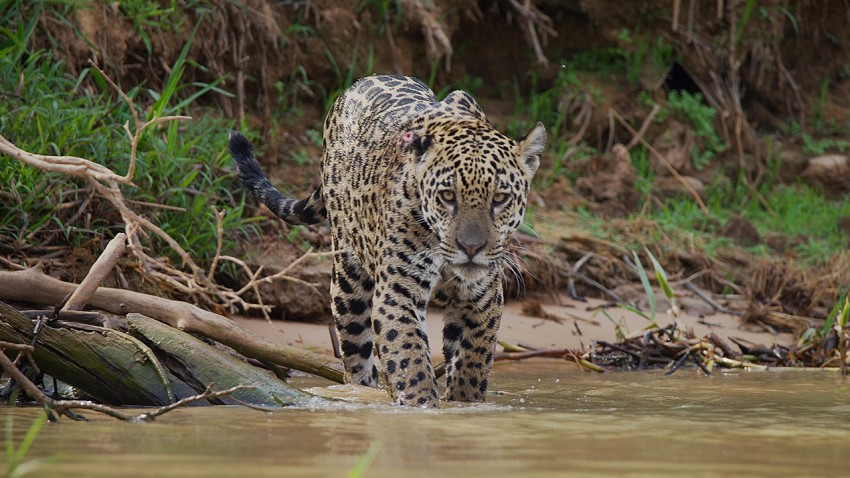
A $1.8 million grant from the Bezos Earth Fund will help the Cornell Lab of Ornithology develop acoustic sensors and artificial intelligence analytics to identify real-time threats to forests from illegal activities and provide insights into ecosystem health.
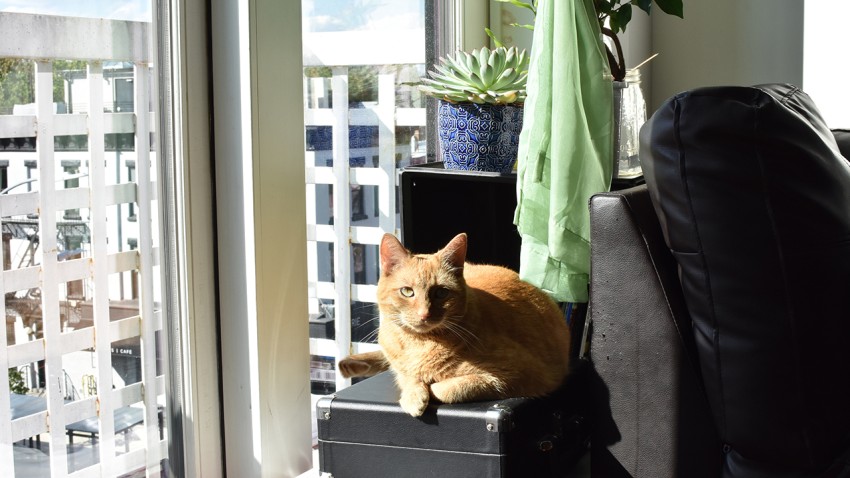
New York City’s mostly indoor cats easily caught SARS-CoV-2 during the first wave of the COVID-19 epidemic – and most were asymptomatic and were likely infected by their owners.

Newly admitted into the Praxis Center business incubator, Quantera aims to improve scientific sample collection.
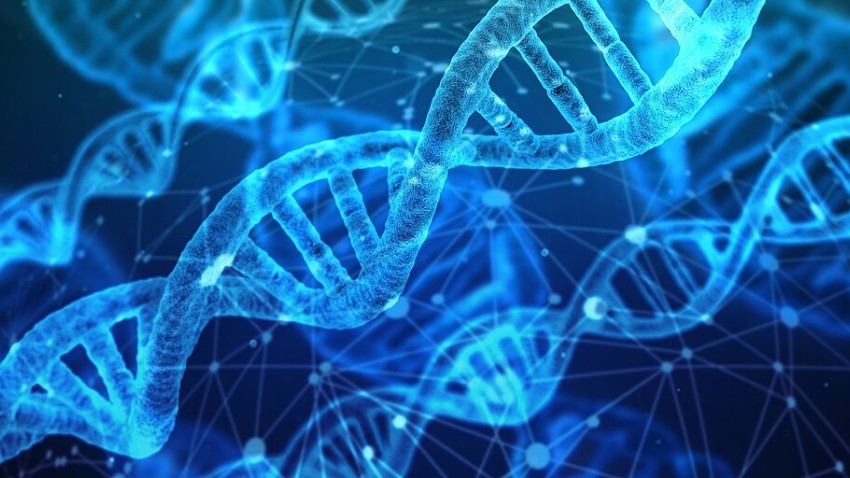
Using high-pressure X-ray scattering at CHESS, researchers uncovered key structural differences between conventional and centromeric nucleosomes, revealing how our DNA remains organized and resilient under extreme stress.

Researchers at Cornell have uncovered molecules that can preserve crucial cellular processes while blocking malignant proteins, indicating a new approach to fighting cancer

The grant will fund the Rudd and De Vlaminck lab’s research on CD8+ T cell activation and development throughout early life and into adulthood.

A former Klarman Fellow in neurobiology and behavior in the College of Arts & Sciences (A&S), Zhao is continuing his research into the neural mechanisms of parrot vocalizations in the Goldberg lab with this support.

$3 billion in recent private investments in dairy manufacturing have supercharged the need for companies to find new workers. Cornell is helping with extension trainings and bootcamps.
A new documentary chronicling the life and scientific legacy of Nobel Laureate Phil Sharp will be screened at Cornell Cinema on Monday, Oct. 27, at 6 p.m. in Willard Straight Hall. Sponsored by the Cornell Institute of Biotechnology, the showing is free and open to the public.
